
Wardrobe design guide
Walk-in Wardrobe Design & Fittings Guide — Layout Ideas + Hardware Checklist
Plan a walk-in wardrobe from the ground up — open modular systems, layout ideas by room shape, and a complete hardware checklist.
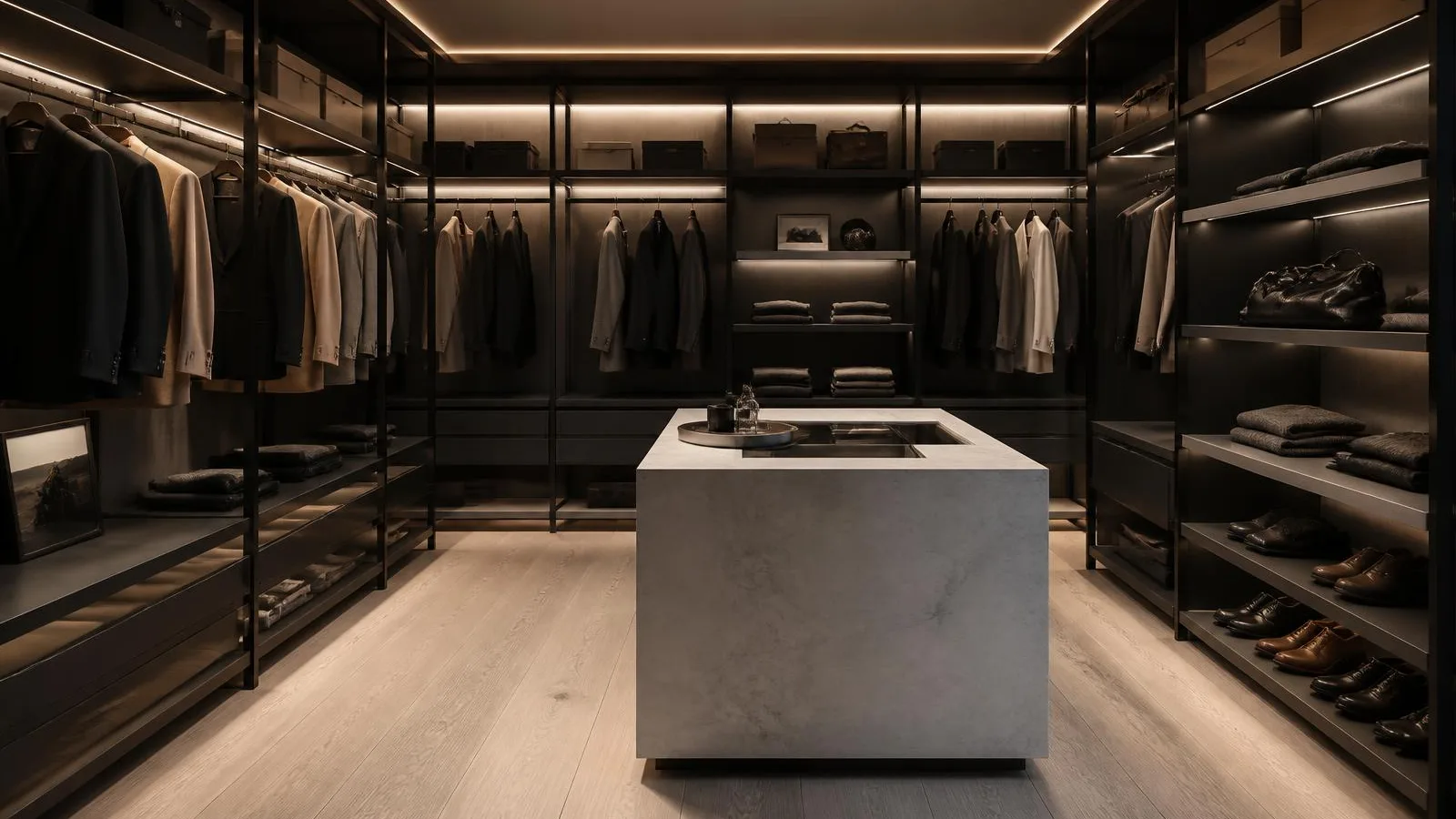
The short answer
A walk-in wardrobe is built from open, modular aluminium systems — wall-mounted bars, open-frame shelving, suspended wall systems and illuminated equipped bars — rather than closed cabinetry, so it can be planned to a room's exact shape and reconfigured later. Measure the space first, mix open systems with closed storage for higher-value items, and plan lighting and electrical points at the design stage.
A walk-in wardrobe isn't just a larger version of a regular built-in wardrobe — it's a room designed around how you actually get dressed. Where a standard wardrobe hides everything behind a door and asks you to dig, a well-planned walk-in wardrobe keeps clothing, shoes and accessories visible and within reach, more like a considered boutique display than a storage utility.
This guide covers how to plan a walk-in wardrobe from the ground up — the open, modular hardware systems that make it work, layout considerations for different room shapes, and a complete hardware checklist so nothing gets missed before your carpenter or fabricator starts building.
The concept
What makes a walk-in wardrobe system different
Unlike closed, door-fronted wardrobe carcasses, a walk-in wardrobe system replaces bulky cabinetry with open, modular aluminium components — bars, corner joints, shelf holders, wall clips — that can be planned to an exact room shape and reconfigured later as storage needs change, rather than replaced entirely. This gives architects, interior designers and modular furniture manufacturers a component-level system to build dressing rooms and open wardrobe walls, not just a single fixed product off a catalogue page.
- Open storage, full visibility: Everything — clothing, shoes, folded knitwear, accessories — stays visible at a glance, cutting down the daily search-and-dig that closed cabinetry creates.
- Fully modular and reconfigurable: Built from a small number of repeating components, a walk-in wardrobe can be planned to a room's exact dimensions and adjusted later without replacing the whole system.
- A dressing-room experience, not just storage: With integrated LED lighting and display-style open shelving, these systems are designed to feel like a considered dressing room rather than a storage utility — a positioning increasingly expected in premium Indian residential projects.
The range
The four walk-in wardrobe systems, explained
Slim Bar — multifunctional wall storage
A multifunctional aluminium bar system that creates wall storage for wardrobes, shelving, bookshelves, TV units and desks — one system, multiple room uses. Its simplicity is the point: a small kit of precision aluminium bars and brackets covers an endless array of furnishing configurations with straightforward installation, including on sloping ceilings, where a boxed carcass simply doesn't work. Key components include the aluminium bar, shelf holder, glass shelf bracket, adjustable foot, corner joint, sloping shelf, tube holder, desk bracket and an LED diffusor.
Smart Cube — modular open-frame storage
An open aluminium-frame shelving system built from just two aluminium profiles, engineered for quick, tool-light assembly and full modularity — suited to shelves from 4mm to 19mm thickness with a built-in glass safety lock. It's best for display-style open wardrobes and room dividers where a grid of cubbies is more useful than continuous shelving, and often crosses over into TV units and living-room shelving for design continuity across a home.
Loop — suspended & floor-standing wall system
A multifunctional aluminium wall system for creating open structures, either wall-suspended (for a visually light, floating configuration) or floor-standing — a distinctive option where a wardrobe wall shouldn't touch the floor. Loop works especially well at the transition zone in a walk-in wardrobe — a lit shelf or bar for phones, jewellery trays or daily accessories at the entry point, with an optional USB charger doubling it as a charging station.
Alba — illuminated equipped bar
A double-lit, LED-integrated equipped bar with a wide accessory range — trays, hooks, shelves, goblet holders and a steel roll holder — plus an optional USB charger, transforming a simple bar into a functional, illuminated element.
At a glance
Comparing the four systems
| System | Mounting | Best For |
|---|---|---|
| Slim Bar | Wall-mounted, sloping-ceiling capable | Multi-use wardrobe + shelving + desk walls |
| Smart Cube | Free-standing / wall, 2-profile grid | Display-style cubby storage, room dividers |
| Loop | Suspended or floor-standing | Feature walls, floating shelf compositions |
| Alba | Wall-mounted, illuminated | Lit accessory bar, entry / transition zones |
Layout ideas
Walk-in wardrobe layout ideas by room shape
- Narrow, single-wall room: a single run of Slim Bar along one wall, with hanging rails and shelving mixed in, keeps a narrow room fully functional without crowding a walkway.
- L-shaped or corner room: combine two walls of open shelving using Smart Cube's corner-joint options, with a Loop-suspended feature section on the shorter wall to avoid a boxy, closed-in feel.
- Small dressing alcove off a bedroom: a compact Slim Bar configuration with an Alba illuminated bar at the entry point makes even a modest 4–6 sq. ft. alcove feel like a considered dressing zone rather than an afterthought.
- Sloping-ceiling attic or loft conversion: Slim Bar's sloping-shelf and sloping-ceiling-bracket components are purpose-built for exactly this situation, where a standard boxed wardrobe carcass can't be installed at all.
- Large luxury dressing room: mix all four systems — Smart Cube as a central display feature, Slim Bar and Loop along the walls, and Alba as an illuminated accessory bar near the entry — combined with closed sliding or openable sections for higher-value items.
Planning
Planning a walk-in wardrobe: a step-by-step framework
1. Measure the space first, select components second
Because every system is built from repeating modular components rather than fixed-size carcasses, a walk-in wardrobe can be planned to the exact width, height and even sloping-ceiling profile of the room — measure the space first, then select components rather than starting from a boxed, standard size.
2. Mix open systems with closed storage
Most real walk-in wardrobes combine open systems (Slim Bar, Loop, Smart Cube) for visible, everyday items with sliding or openable closed wardrobe systems and wardrobe leather accessories for higher-value or less-frequently-used items — the ranges are designed to sit together, not compete.
3. Plan lighting and electrical points early
Slim Bar, Loop and Alba all support integrated LED profiles — plan electrical points at the design stage rather than retrofitting after the aluminium structure is installed, and choose a consistent aluminium finish across systems for a coordinated look throughout the room.
4. Confirm shelf thickness and load requirements
Smart Cube supports shelves from 4mm to 19mm thickness with a built-in glass safety lock — confirm your intended shelf material and thickness against the system's rated range before finalising your bill of quantities.
Before you build
The complete walk-in wardrobe hardware checklist
- Open shelving/bar system selected: Slim Bar, Smart Cube, Loop, or a mix of systems for the room.
- Closed storage sections specified: sliding or openable, for higher-value items.
- LED profile lighting planned: with electrical points confirmed at the design stage.
- Consistent aluminium finish chosen: across all open and closed systems in the room.
- Shelf material and thickness confirmed: against the selected system's load ratings.
- Entry/transition zone accessory bar considered: an Alba-style lit bar for daily-use items near the entry.
- Wardrobe leather accessories specified: for jewellery, watches and folded items.
- Sloping-ceiling components confirmed: if the room has an angled roofline.
- European hardware brand and engineering partner verified: for durability and after-sales support.
Clear answers
Frequently asked questions
What is a walk-in wardrobe system?
It's an open, modular aluminium hardware system — bars, corner joints, shelf holders and wall clips — used to build a dressing-room-style wardrobe where clothing and accessories stay visible and reachable, rather than hidden behind closed carcass doors.
What's the difference between a walk-in wardrobe and a built-in wardrobe?
A built-in wardrobe is a closed, door-fronted carcass fixed to one wall or alcove; a walk-in wardrobe is a room (or dedicated zone) you step into, typically built from open, modular components that can be reconfigured as storage needs change.
What products make up a walk-in wardrobe range?
A typical range includes a wall-mounted multifunctional bar system (like Slim Bar), an open-frame modular shelving system (like Smart Cube), a suspended or floor-standing wall system (like Loop), and an illuminated equipped bar (like Alba).
Can a wall-mounted bar system be used for more than just wardrobes?
Yes — systems like Slim Bar are genuinely multifunctional, extending into shelving, bookshelves, TV units and desks using the same component kit, which is useful for design continuity across a home.
What's the difference between an open-frame grid system and a suspended wall system?
An open-frame system (like Smart Cube) builds a fixed grid of cubbies from two aluminium profiles; a suspended system (like Loop) creates a visually lighter, floating configuration either hanging from the wall or standing independent of the floor.
Does a walk-in wardrobe come with lighting built in?
Several systems support integrated LED profiles as standard — plan the electrical points at the design stage rather than retrofitting after installation for the cleanest result.
Can walk-in wardrobe fittings handle sloping ceilings?
Yes — dedicated sloping-shelf and sloping-ceiling-bracket components exist specifically for attic conversions, loft spaces and rooms with an angled roofline where a standard boxed wardrobe can't be installed.
How thick a shelf can an open-frame walk-in wardrobe system support?
Systems like Smart Cube typically support shelves from 4mm to 19mm thickness, with a built-in glass safety lock for glass shelving specifically.
Can open walk-in wardrobe systems be combined with closed wardrobes?
Yes — this is, in fact, the most common real-world configuration: open systems for visible, everyday items, paired with closed sliding or openable wardrobe sections for higher-value or less-frequently-accessed items.
Is a suspended wall system wall-mounted or floor-standing?
Systems like Loop offer both options — wall-suspended for a visually light, floating look, or floor-standing where a wardrobe wall needs independent structural support.
What accessories are available for an illuminated equipped bar?
Typical accessories include trays, hooks, shelves, goblet holders, a steel roll holder, and often an optional USB charger, turning a simple hanging bar into a functional, illuminated element.
Are walk-in wardrobe systems suitable for architects and modular furniture manufacturers, not just homeowners?
Yes — because these are component-level, modular systems rather than fixed-size products, they're specifically designed to be specified by architects and interior designers for custom-shaped rooms, and supplied to modular furniture manufacturers at project scale.
Continue your research
Related ranges and resources
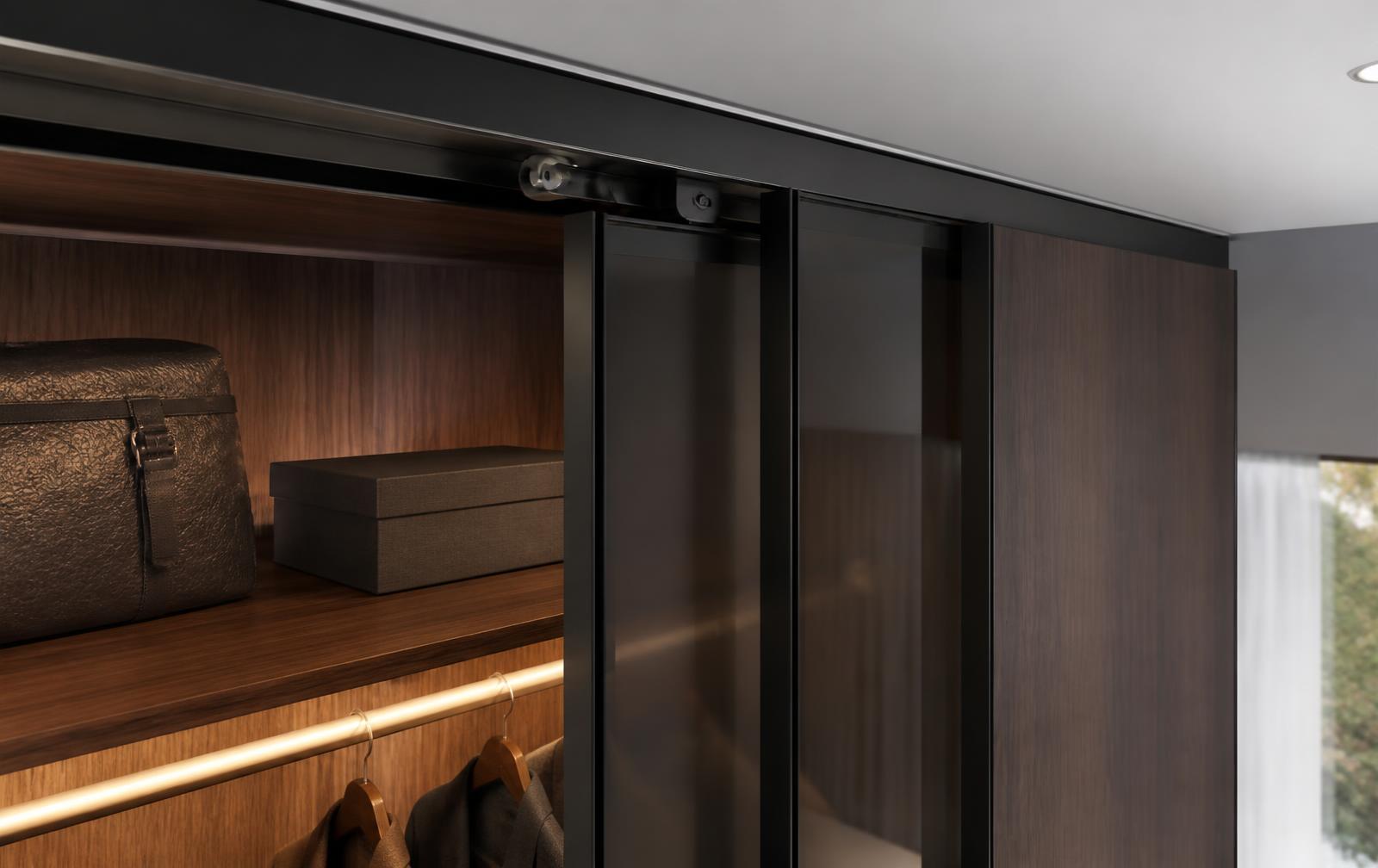
Sliding Wardrobe Systems
Compare top-hung tracks, load ratings and soft-close dampers for closed sections.
Explore range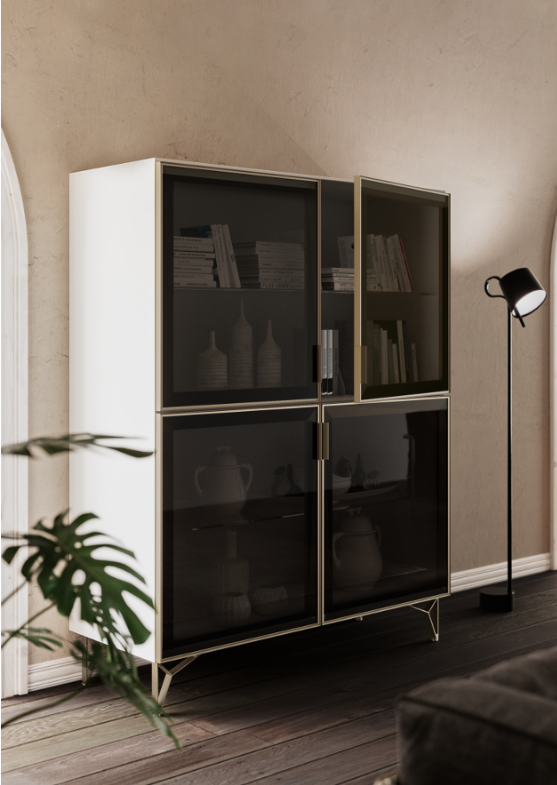
Openable Wardrobe Fittings
Precision hinges and framed glass-door systems for full interior access.
Explore range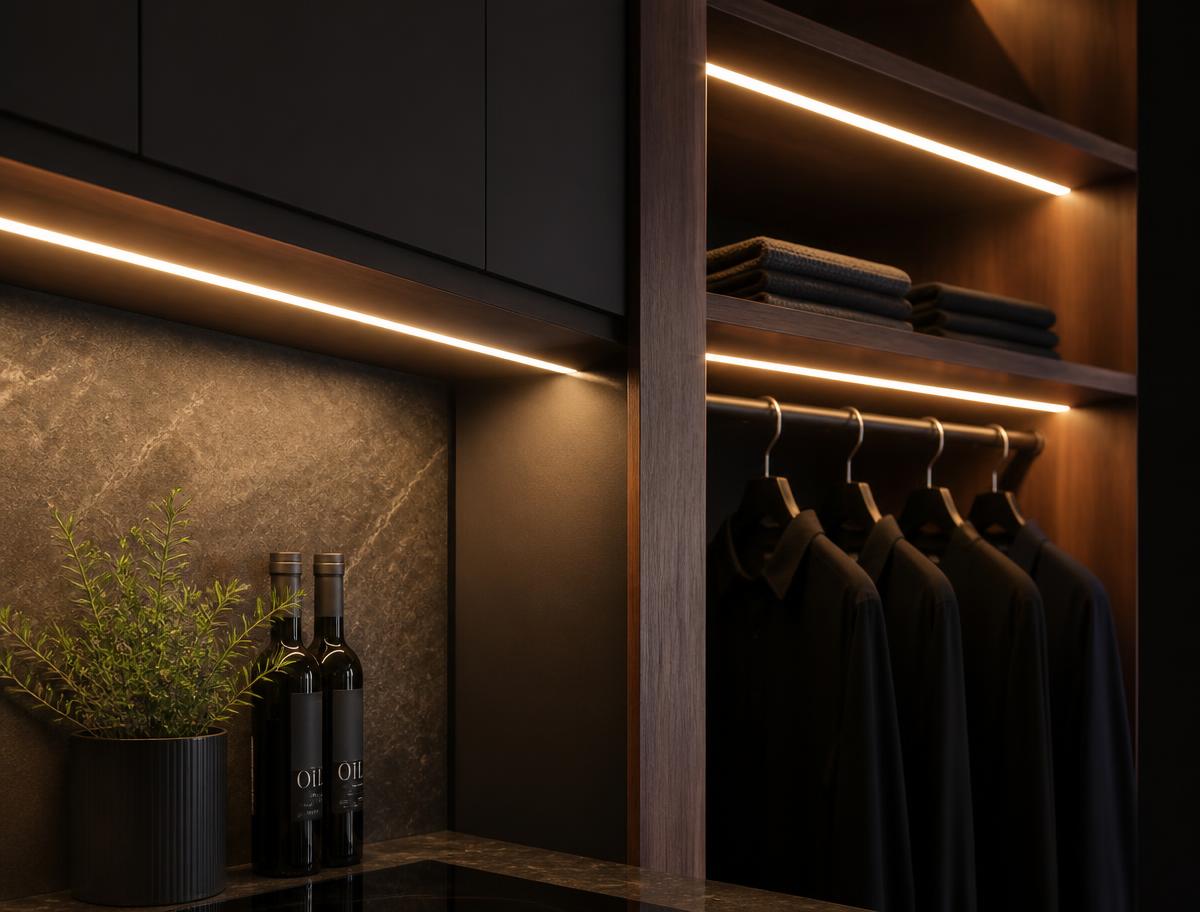
LED Profiles
Integrated shelf and bar lighting to complete a walk-in wardrobe.
Explore rangeWork with a supplier you can verify
Ready to specify hardware from a supplier you can verify?
Mirano by Varun Impex has supplied premium modular kitchen, wardrobe and bed hardware to architects, interior designers, OEM manufacturers and 300+ dealers across India since 2006.