
Lighting buying guide
LED Profile Lights for Wardrobe & Kitchen — Complete Guide
Silicone, PC or PMMA diffuser? Compare aluminium LED profiles for wardrobes and kitchens — types, specifications and how to choose.
The short answer
An LED profile is an extruded aluminium channel with a diffuser — silicone, PC or PMMA — that houses an LED strip for wardrobe, kitchen and cabinet lighting. Choose the diffuser material first for light quality and mounting flexibility, then confirm mounting (recessed vs. surface), voltage and sensor compatibility. Look for CRI above 80 and roughly 100 lm/W efficacy for accurate colour and good running cost.
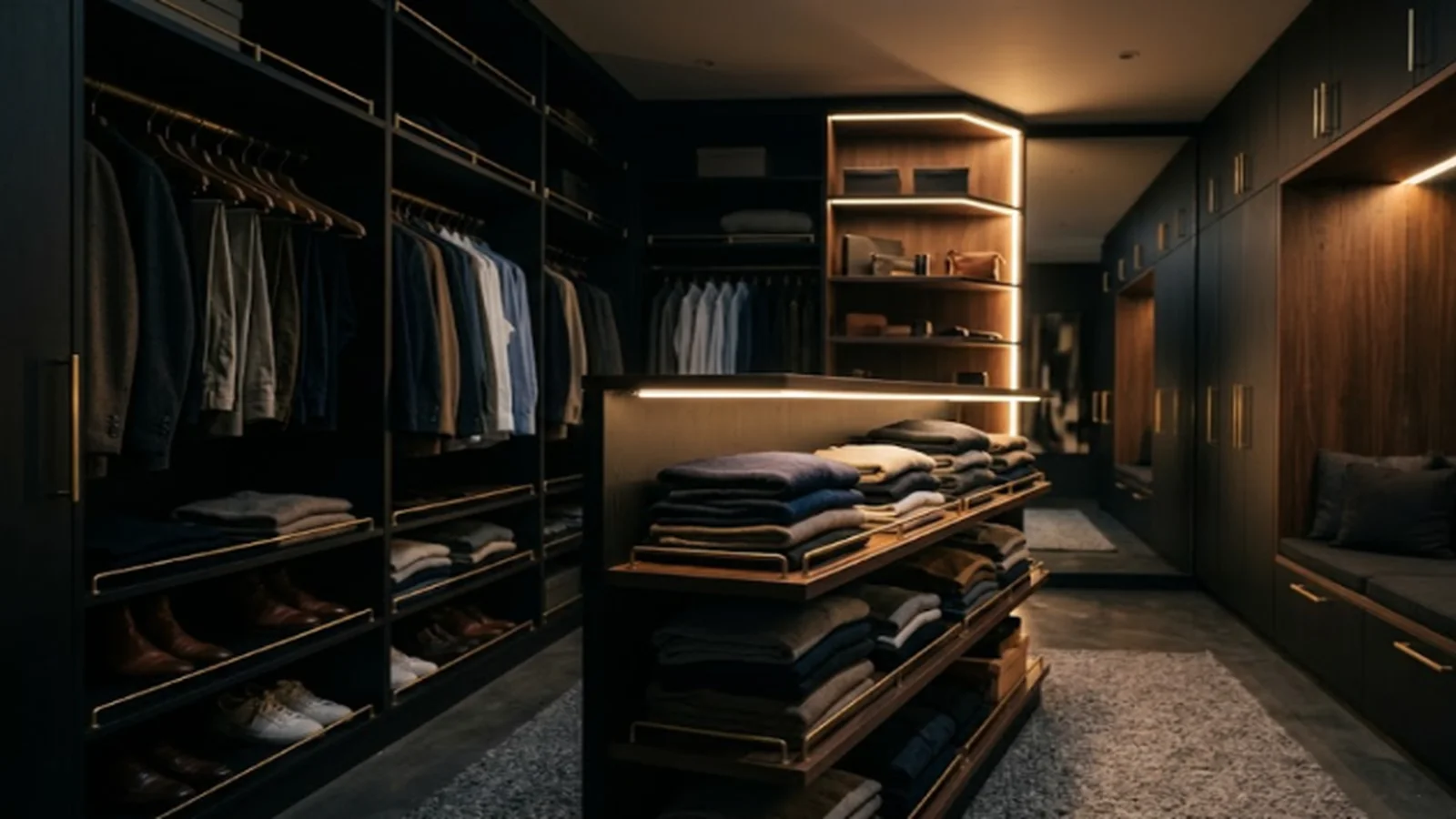
Open a wardrobe in the dark, or reach for a spice jar tucked at the back of a kitchen shelf, and you'll understand instantly why LED profile lighting has moved from a luxury add-on to a near-default specification in Indian modular interiors. A well-placed LED profile doesn't just make a cabinet easier to use — it changes how the entire piece of furniture looks and feels, day and night.
This guide breaks down what an LED profile actually is, the three main diffuser types available, and how to choose the right one for a kitchen, wardrobe, or display cabinet — so you're specifying by function and finish, not just picking whichever strip light is cheapest online.
The basics
What is an LED profile?
An LED profile is an extruded aluminium channel that houses an LED strip and a diffuser cover, used to create a clean, continuous line of light along the edge of a shelf, wardrobe, drawer or cabinet. The aluminium body manages heat dissipation so the LED strip lasts longer, while the diffuser — silicone, PC or PMMA — spreads the light evenly and hides the individual LED dots that a bare, unhoused strip would otherwise show.
Choosing the right profile affects three things directly: how long the lighting lasts, how even and glare-free it looks, and how easily it fits the specific furniture detail — a recessed shelf groove, a surface-mounted corner, or a skirting board.
The range
Shop LED profiles by diffuser material
The diffuser material is the biggest single decision in specifying an LED profile — it defines the light quality, mounting flexibility and application fit. Pick the material first, then the mounting profile that suits your cabinet detail.
Silicone LED profiles — soft-glow, flexible, corner-friendly
A slim aluminium body paired with a soft 4mm silicone diffuser for an even, glare-free finish. Built for recessed and surface applications — shelf up/down lighting, corner lighting, skirting, wardrobe interiors and shelf highlighters — running on 12VDC with Bridgelux 2835 LEDs, CRI>80, and sensor-friendly switching in 3000K and 4000K colour temperatures.
PC LED profiles — brighter, defined, widest mounting range
The PC Series uses a rigid polycarbonate diffuser for a crisper, brighter light output, and covers the widest range of mounting styles — surface and recessed, standard and up/down profiles, single-tuneable and 12/24VDC options for higher-output applications. Available in 6.5mm, 9.5mm and 18mm diffuser widths, with lengths customisable up to 3 metres for larger runs.
PMMA LED profiles — premium clarity for cove & display
PMMA (acrylic) diffusers deliver the clearest, most premium light transmission of the three materials, used in cabinet, cove and shelf profiles where a high-clarity, jewellery-showcase-style finish is required. Available in 12/24VDC with the same Bridgelux LED and CRI>80 specification as the rest of the range, in single and tuneable CCT options.
Applications
Shop LED profiles by application
Wardrobe & shelf lighting
Corner profiles, shelf up/down, and wardrobe/shelf recessed channels are used for hanging areas and shelf edges — exactly where visibility matters most when choosing an outfit or finding a specific fold of clothing.
Kitchen & cabinet lighting
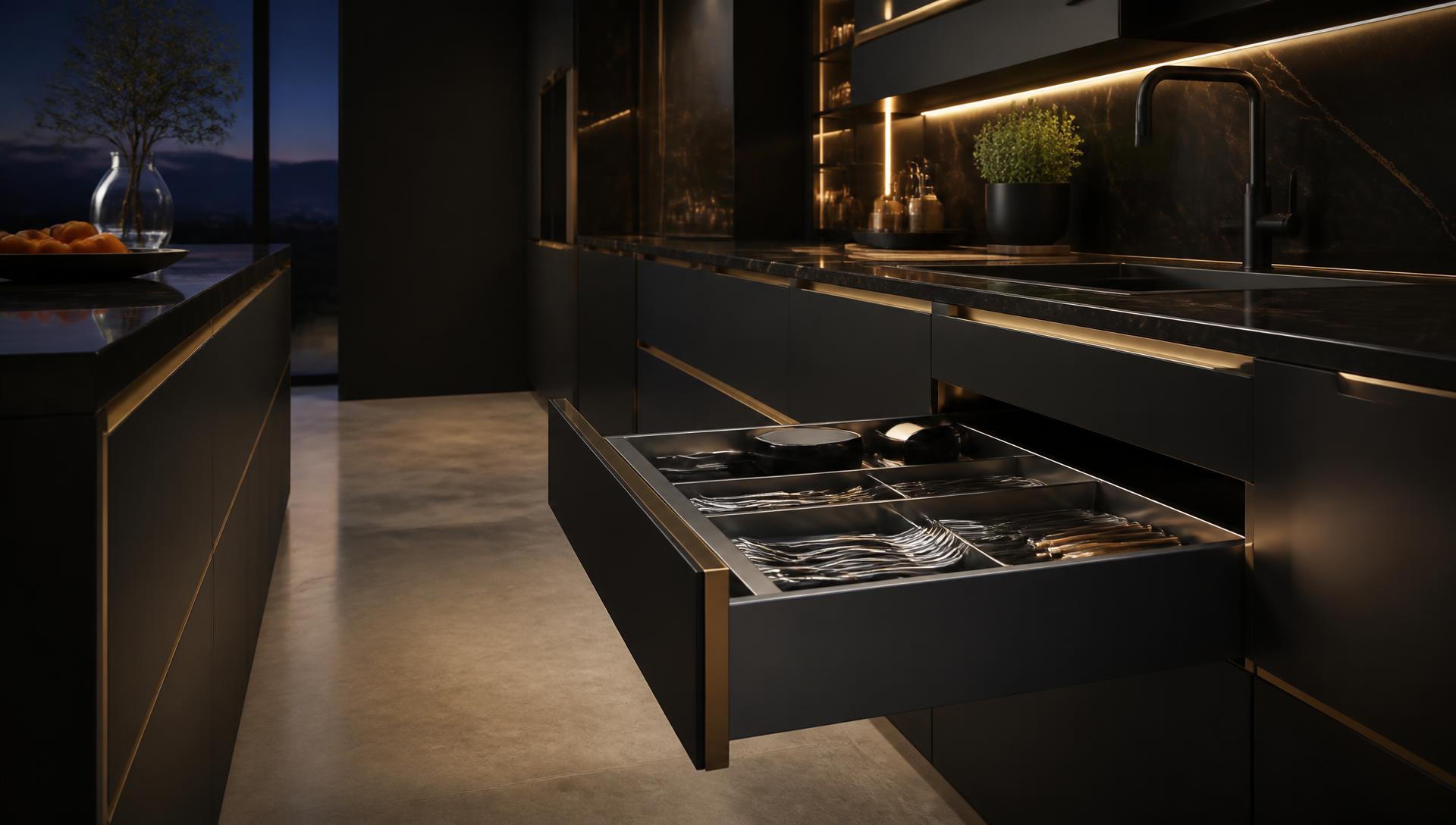
Under-cabinet, drawer and cabinet profiles are built for daily-use durability and sensor-based on/off switching, illuminating countertops and drawer interiors without needing a separate switch.
Skirting & cove lighting
Slim recessed profiles for skirting boards and cove details, including invisible shelf-highlighter profiles that create a source-free glow — the light is visible, but the fitting itself isn't.
Corner & display lighting
Mitred-corner and highlighter profiles for showcase units, open shelving and retail-style display furniture, where the lighting needs to follow the geometry of the piece exactly.
At a glance
Technical specifications at a glance
| Series | Diffuser | Typical Wattage | Efficacy | CRI | CCT | Voltage |
|---|---|---|---|---|---|---|
| Silicone Series | 4mm Silicone | 10–20 W/mtr | 100 lm/W | >80 | 3000K, 4000K | 12VDC |
| PC Series | 6.5 / 9.5 / 18mm PC | 10–20 W/mtr · 18W/4ft | 100 lm/W | >80 | 3000K, 4000K / Tuneable | 12VDC, 12/24VDC |
| PMMA Series | 15.5mm PMMA/PC | 18W/4ft | 100 lm/W | >80 | Single / Tuneable | 12/24VDC |
All series use Bridgelux LEDs. Custom lengths are available on request; select PC Series profiles run up to 3 metres per length for larger continuous installations.
Why it matters
Why the CRI and efficacy numbers actually matter
CRI (Colour Rendering Index) measures how accurately a light source shows true colours compared to natural daylight, on a scale up to 100. An LED profile with CRI>80 renders clothing colours, food, and finishes accurately enough for genuine daily use — a meaningfully important spec for a wardrobe, where colour-matching an outfit under the wrong light is a real, common frustration.
Efficacy (lm/W) measures how much visible light a fitting produces per watt of electricity consumed — a higher number means brighter light for the same running cost. At 100 lm/W, a premium LED profile keeps running costs low even across long, continuous modular kitchen or wardrobe runs left on for extended periods.
Decision guide
How to choose the right LED profile
Mounting: recessed vs. surface
Recessed profiles sit flush inside a routed groove for a hidden, built-in look — best for wardrobe shelves, skirting and drawer interiors where a clean, integrated finish matters most. Surface-mounted profiles fix directly onto the furniture face and are faster to install, better suited to corner lighting and retrofits where routing isn't practical.
Diffuser material
Silicone for flexibility, corner-friendly installation and the softest glow. PC for a brighter, more defined line of light at the widest choice of mounting profiles. PMMA where the clearest, most premium light transmission is the priority — display cabinetry and cove details.
Voltage: 12V vs. 24V
12VDC is the standard for most shelf, wardrobe and cabinet runs. 12/24VDC profiles suit longer continuous runs where reduced voltage drop over distance is a priority — typically specified on larger modular kitchen or wardrobe projects with longer profile lengths.
Sensor compatibility
Every Silicone and most PC profiles pair directly with door or drawer motion sensors for automatic on/off operation — a detail worth specifying upfront if you want the light to switch on the moment a wardrobe door or drawer opens, without a manual switch.
Coordination
Finishes that coordinate across a project
Mirano's LED profiles are available in Dark Bronze, Matt Black and Silver Anodize — finishes chosen specifically to coordinate with handles, drawer systems and gola profiles elsewhere in a kitchen or wardrobe project, so the lighting hardware doesn't stand out as a visually separate element from the rest of the cabinetry.
Before you order
Installation notes and accessory ecosystem
A complete LED profile installation needs more than just the aluminium channel and strip — end caps, mounting clips, connectors, extension wire and drivers (commonly Mean Well or equivalent matchbox drivers) all need to be specified alongside the profile itself. Reputable suppliers stock this full accessory ecosystem together, rather than leaving a fabricator to source connectors and drivers separately, which is one of the more common causes of installation delays on a modular kitchen or wardrobe project.
Clear answers
Frequently asked questions
What is the difference between silicone, PC and PMMA LED profiles?
Silicone diffusers give a soft, corner-friendly glow and are the most flexible to install; PC diffusers are brighter and available across the widest range of mounting styles; PMMA diffusers give the clearest, most premium light transmission, typically used for cove and display cabinetry.
Which LED profile is best for a modular wardrobe?
For wardrobe shelves and hanging areas, a Silicone or PC profile in a recessed mount is the most common specification — Silicone for a softer glow, PC where slightly brighter task lighting is preferred for finding items quickly.
What voltage should I choose — 12V or 24V?
12VDC suits most standard shelf, wardrobe and cabinet runs. 12/24VDC is worth specifying for longer continuous profile runs, where it reduces voltage drop over distance — typically relevant on larger project-scale installations.
Are LED profiles sensor-compatible?
Yes — Silicone and most PC series profiles pair directly with door or drawer motion sensors for automatic on/off switching, a common specification for wardrobe interiors and drawer lighting.
What CRI and efficacy should I look for in a quality LED profile?
Look for CRI above 80 for accurate colour rendering, and an efficacy around 100 lm/W for good brightness without excessive running cost — both are standard across a well-specified profile range.
Can LED profiles be customised to length?
Most profiles are cut-to-order to match your exact furniture dimensions; select PC Series profiles are additionally available in continuous lengths up to 3 metres for large, uninterrupted installations.
Do LED profile suppliers provide drivers and accessories?
Reputable suppliers stock end caps, mounting clips, connectors, extension wire and drivers alongside the profiles themselves, so a fabricator doesn't need to source these separately from a different vendor.
What finishes are LED profiles available in?
Common architectural finishes include Dark Bronze, Matt Black and Silver Anodize, chosen to coordinate with cabinet handles, drawer systems and gola profiles elsewhere in the same project.
Is recessed or surface-mounted LED profile better?
Recessed profiles give a cleaner, more integrated, hidden look but require routing at the fabrication stage; surface-mounted profiles are faster to install and better suited to retrofits or corner applications where routing isn't practical.
How much does LED profile lighting cost for a full kitchen or wardrobe project?
Cost depends on diffuser type, profile length, voltage and finish — because most profiles are cut-to-order against exact project dimensions, the most accurate figure comes from a project-specific quote rather than a generic per-metre price.
Continue your research
Related ranges and resources
Kitchen Fittings
Pair LED profiles with the full kitchen hardware catalogue.
Explore range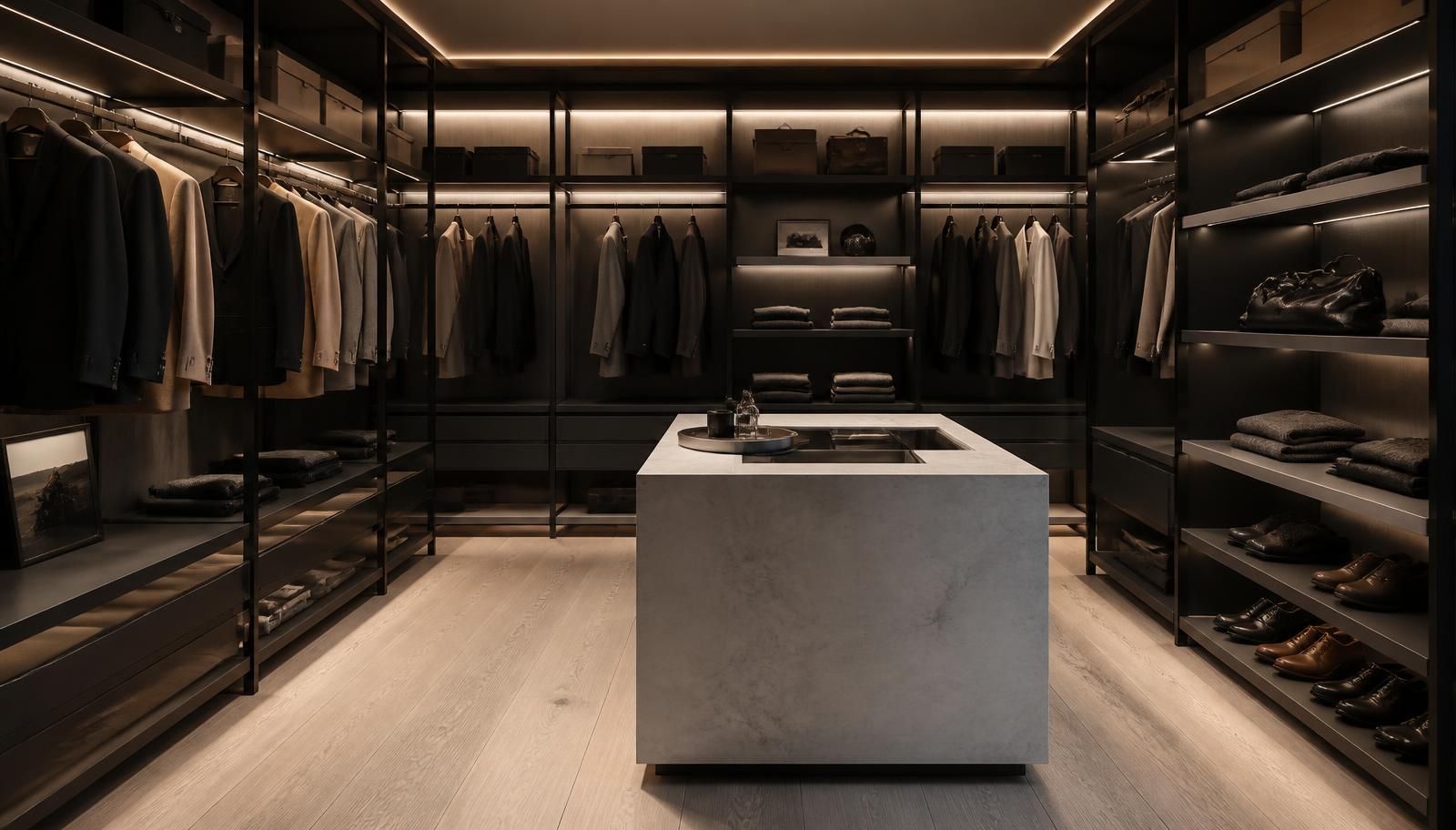
Walk-in Wardrobe Special Fittings
Open aluminium systems with integrated LED profile lighting support.
Explore range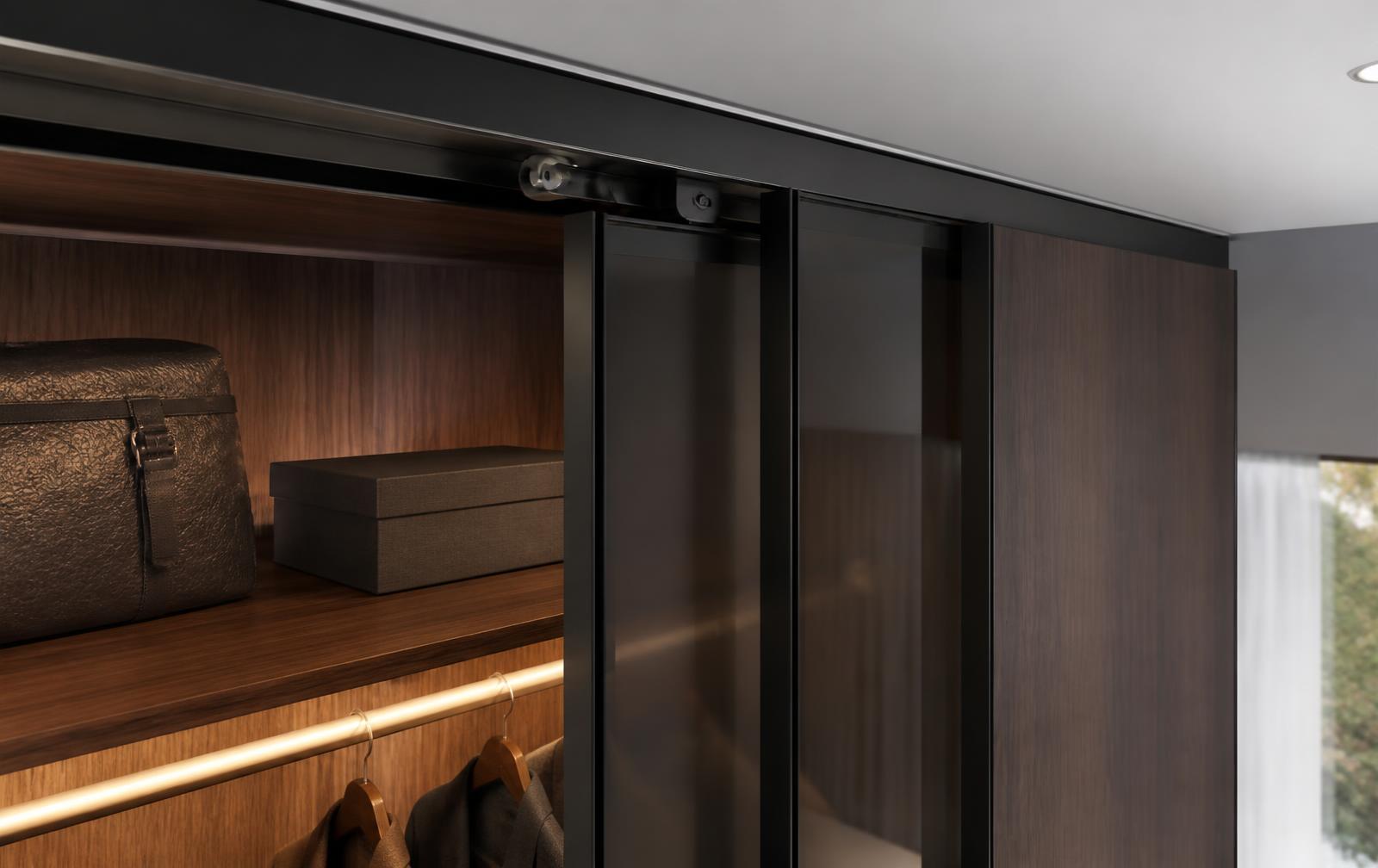
Sliding Wardrobe Systems
Complete a lit wardrobe interior with soft-close sliding door hardware.
Explore rangeWork with a supplier you can verify
Ready to specify hardware from a supplier you can verify?
Mirano by Varun Impex has supplied premium modular kitchen, wardrobe and bed hardware to architects, interior designers, OEM manufacturers and 300+ dealers across India since 2006.