
B2B buying guide
Furniture Hardware Suppliers in India — How to Choose the Right One
Buying furniture hardware in bulk? Learn the 7 checks architects, OEMs and dealers must make before choosing a supplier in India.
The short answer
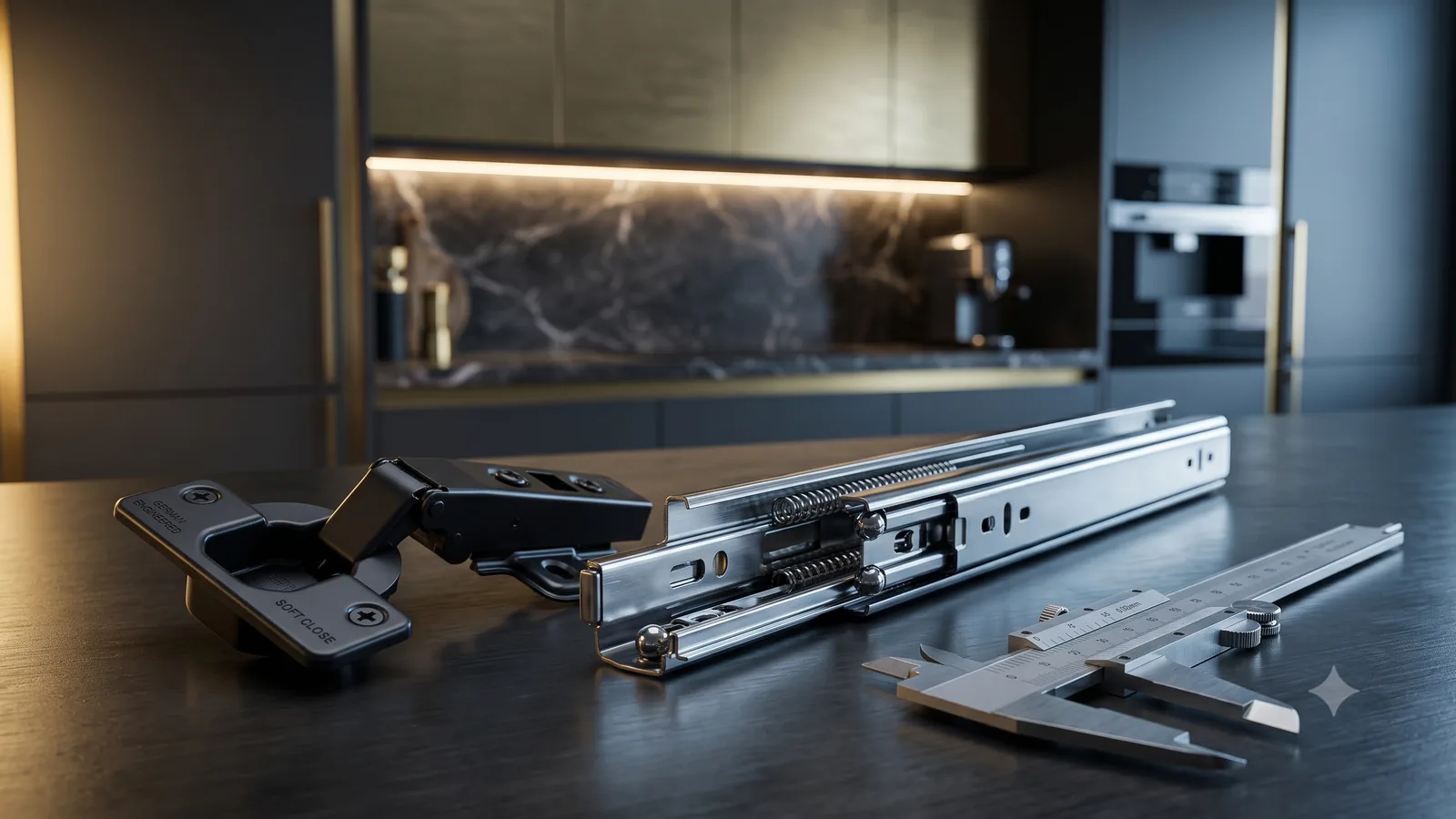
Verify a furniture hardware supplier on seven points before ordering: genuine brand sourcing, real load and cycle data, warehoused stock, PAN-India dispatch, technical specification support, structured B2B pricing, and a physical experience centre you can visit. Skipping any one of these is how project delays, mismatched batches and warranty disputes happen.
Every modular kitchen, wardrobe, or piece of custom furniture eventually comes down to a handful of small, unglamorous components — hinges, drawer runners, sliding tracks, handles, dampers — that quietly decide whether the finished piece lasts a decade or falls apart in two years. And yet, in most projects, the buying decision for hardware happens in a rush, right at the end, based on whichever supplier answers the phone fastest or quotes the lowest number on a WhatsApp message.
Whether you're an architect specifying hardware for a client project, an interior designer sourcing materials for multiple homes, an OEM furniture manufacturer buying at production volume, or an entrepreneur looking to become a hardware dealer or distributor yourself, choosing the right supplier is a decision that compounds — for better or worse — across every project that follows it. This guide lays out a research-backed framework for making that choice properly, along with the practical questions to ask before you sign a purchase order.
Beyond the catalogue
Why the supplier matters more than the catalogue
It's tempting to assume that furniture hardware is a commodity — that a hinge is a hinge, wherever it comes from, and the only real variable is price. In practice, the supplier standing behind the product determines almost everything that happens after the sale: whether stock is actually available when your project timeline needs it, whether the load ratings printed on the box are genuinely accurate and tested, and whether someone picks up the phone and takes responsibility when a batch doesn't match the last one, or a part arrives damaged.
The hardware inside a kitchen or wardrobe determines how it functions ten years from now — how a drawer closes at the end of a long day, how a cabinet door holds its alignment after a thousand open-close cycles. That long-term reliability is a function of the supplier's sourcing discipline and after-sales support, not just a single product's spec sheet in isolation. Two suppliers can sell what looks like an identical hinge on paper; only one of them can guarantee it still performs the same way in year eight.
Due diligence
The real cost of getting the supplier choice wrong
Before getting into the checklist, it's worth being specific about what actually goes wrong when the wrong supplier is chosen — because these failure modes are almost always avoidable with proper due diligence upfront:
- Project delays from stock-outs: an order confirmed verbally, then delayed by weeks because the “stock” was never actually in a warehouse, but promised on the assumption it could be imported in time.
- Mismatched batches: a second order of the “same” hardware arrives with a slightly different finish, tolerance, or dimension, because the supplier sources opportunistically from whichever factory is cheapest that month.
- No accountability on failure: a hinge or track fails within the warranty period, but the supplier who sold it has no formal relationship with the actual manufacturer, so there's no one to escalate the claim to.
- Underspecified hardware: a supplier sells based on price rather than technical fit, leaving an architect or carpenter to discover — after installation — that the load rating was never adequate for the door weight in the first place.
- No dealer support structure: for those buying to resell, a lack of territory protection or tiered pricing means a supplier can undercut their own dealer network by selling direct at the same price.
The framework
7 things to check before choosing a furniture hardware supplier
Genuine brand sourcing, not just reselling
Ask directly: which international brands does this supplier represent, versus simply resell opportunistically? There's a meaningful difference between a distributor with a direct manufacturing partnership — backed by consistent supply, technical documentation, and after-sales accountability — and a trader reselling grey-market or unbranded stock with no traceability back to an actual manufacturer.
Mirano, for example, represents European and Italian manufacturers directly — Eureka, Grass (Austria) and Barazza in kitchen hardware, and Volpato, System Holz, Vibo and Effegi Brevetti across wardrobe systems. That direct relationship is what allows a supplier to guarantee specifications rather than just quoting them from a datasheet they didn't produce.
Real load ratings and cycle data — not marketing claims
A credible hardware supplier can tell you, precisely, how much weight a drawer runner or wardrobe track is rated to carry, and how many open-close cycles it's tested for. This isn't a minor technical detail — it's the difference between hardware that performs reliably for years under daily use and hardware that fails within a decade under identical conditions.
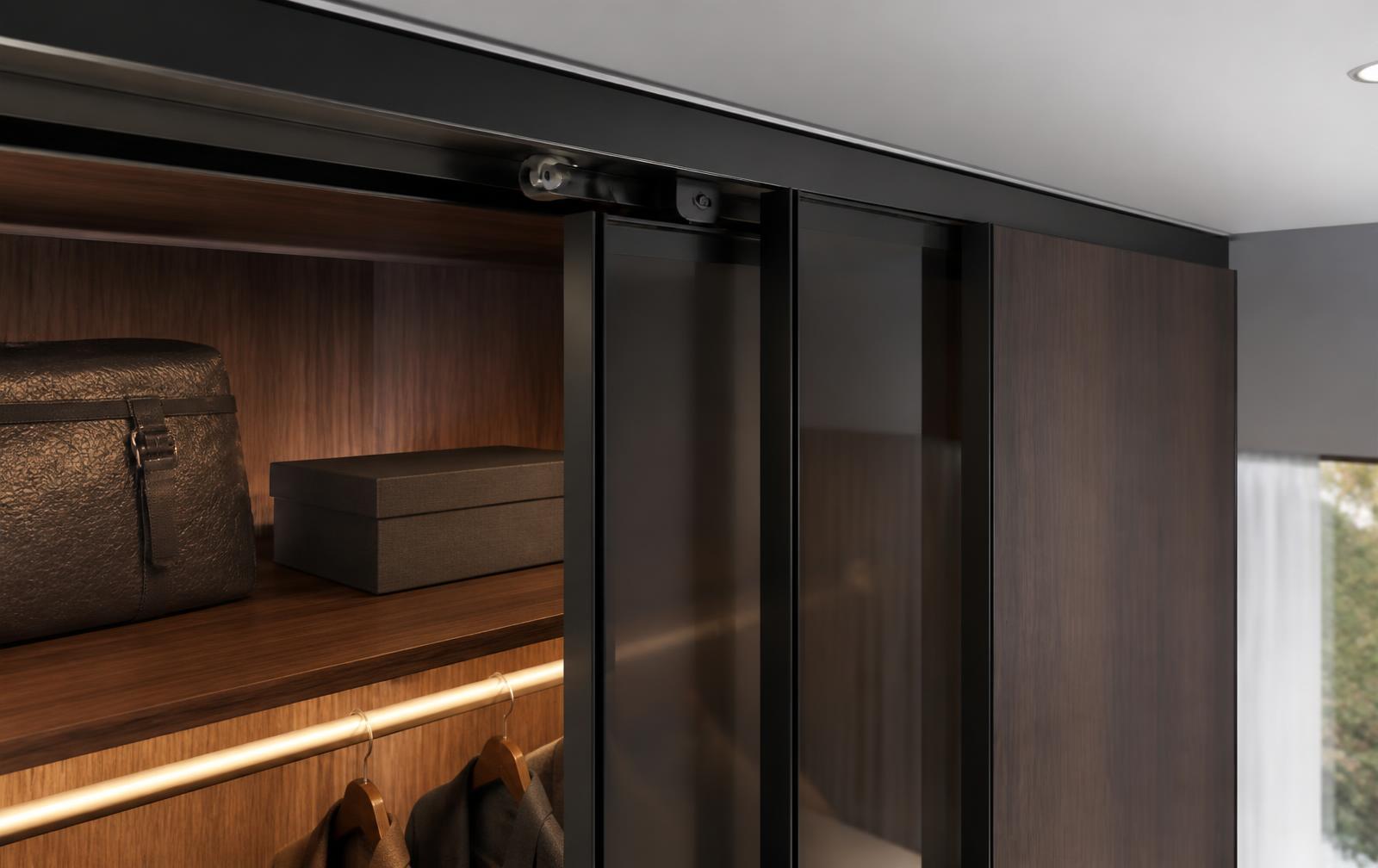
For instance, Mirano's Sliding Wardrobe Systems page publishes specific figures: 25–80 kg load capacity per door panel and a 100,000-cycle durability benchmark, while the Openable Wardrobe Fittings range specifies exact glass thickness and height limits for its hinge systems. If a supplier can't give you numbers like these on request — or worse, gives vague answers like “it's very strong” without a figure — that's a clear signal to look elsewhere.
Stocked inventory vs. made-to-order delays
Ask where the supplier's stock physically sits, and how much of it is actually on hand versus imported on demand for each individual order. A supplier with a stocked warehouse can commit to dispatch timelines that realistically align with your project schedule; one that imports every order individually cannot make that commitment credibly, no matter how confidently it's promised on a call.
PAN-India dispatch capability
If you're working across multiple cities — a common reality for architects with clients in different states, OEMs supplying multiple factories, or multi-location dealer networks — confirm the supplier can reliably dispatch beyond their home metro, with consistent logistics partners and realistic transit times. A Mumbai-based warehouse that only reliably serves Mumbai and its immediate suburbs is a fundamentally different proposition from one that dispatches to Delhi NCR, Bengaluru, Hyderabad, Ahmedabad, Pune, Chennai and smaller tier-2 cities with equal reliability.
Technical specification support
The best furniture hardware suppliers don't just sell parts — they actively help you specify the right part for the job. Can their team calculate door panel weight from your material choice and dimensions? Can they recommend the correct hinge count for a given door height, or the right track length for a multi-panel sliding system? This kind of pre-sale technical support prevents costly on-site errors before the carcass is even built, when correcting a mistake is still cheap.
Structured B2B pricing and territory protection
For dealers and distributors specifically, pricing structure matters as much as product quality — arguably more, since it directly determines whether the business relationship is sustainable. A serious supplier offers tiered B2B pricing based on order volume and partnership level, protected or exclusive territories so dealers aren't undercut by the supplier selling direct in the same area, and dedicated account management rather than a rotating, impersonal sales desk.
A physical experience centre you can visit
Specification sheets and product photos only tell you so much. The best suppliers maintain a showroom or experience centre where you can physically test the soft-close action, examine finish quality up close, feel the weight and rigidity of a hinge or track, and assess overall build quality before committing to a large order. Mirano operates an Experience Centre in Goregaon, Mumbai, specifically so architects and designers can evaluate hardware in person, by appointment, rather than relying entirely on a catalogue.
Get it in writing
Warranty, after-sales support and documentation
Beyond the seven checks above, a few additional details are worth confirming and getting in writing before any large order, since verbal assurances rarely hold up if a dispute arises later:
- Warranty period and coverage: ask specifically what's covered (mechanical failure vs. finish defects vs. installation damage) and for how long.
- Return and replacement process: how quickly can a faulty batch be replaced, and does the supplier bear the logistics cost or does the buyer?
- GST-compliant invoicing: particularly important for architects, OEMs and dealers who need proper documentation for input tax credit and project accounting.
- Product certification: for glass hardware, fire-rated applications, or export-oriented OEM work, ask whether relevant certifications are available in writing.
At a glance
What separates a reliable supplier from a risky one
| Criteria | Reliable supplier | Risky supplier |
|---|---|---|
| Brand sourcing | Direct manufacturer partnerships, traceable origin | Unclear sourcing, grey-market resale |
| Specifications | Published load ratings & cycle data on request | Vague or unverifiable claims |
| Inventory | Warehoused stock, predictable dispatch timelines | Import-on-order, unpredictable delays |
| Geographic reach | PAN-India dispatch with tracked logistics | Limited to home city/region |
| Technical support | Free pre-sale specification help | Sales-only, no technical input |
| B2B terms | Tiered pricing, territory protection for dealers | Flat pricing, no dealer structure |
| Showroom access | Physical experience centre available | Catalogue/photos only |
| Warranty | Written, specific coverage and duration | Verbal, vague, or unspecified |
| Documentation | GST-compliant invoicing, certifications on request | Informal billing, no certification |
The other side of the table
For those looking to become a furniture hardware dealer
If you're on the other side of this decision — evaluating which hardware brand to represent as a dealer, distributor, or franchise partner — the same principles apply in reverse, and are worth holding any prospective brand partner to before signing an agreement. Look for a supplier offering a curated, well-differentiated catalogue, exclusive or genuinely protected territories, marketing and training support to help you sell the product with confidence, and a single dedicated account manager rather than a rotating call centre.
These are the terms Mirano extends through its dealer & OEM programme, spread across India, and they're a reasonable, practical benchmark to hold any furniture hardware brand to before committing capital and shelf space to represent them.
What to avoid
Common mistakes to avoid when choosing a hardware supplier
- Choosing on price alone, without verifying load ratings, cycle life, or brand authenticity — the cheapest quote is often cheapest because it's cutting corners on exactly the specifications that matter most.
- Skipping the reference check — a supplier unwilling to share existing architect, OEM, or dealer references (even under NDA) is worth treating with caution.
- Not confirming stock before committing a project timeline to a client, then discovering the “available” hardware needs 6–8 weeks to import.
- Assuming all “European” or “Italian” branding is equally verified — always ask for the specific manufacturer name and documentation, not just a country-of-origin claim.
- Overlooking after-sales terms until a problem actually occurs, at which point negotiating leverage is far weaker than it was before the order was placed.
Clear answers
Frequently asked questions
What should I ask a furniture hardware supplier before placing a bulk order?
Ask for their published load ratings and cycle-test data, confirm whether stock is warehoused or import-on-order, request references from existing architect, OEM or dealer clients, and get warranty terms in writing before finalising the order.
How do I verify if a hardware brand is genuinely European or Italian, not just marketed that way?
Ask which specific manufacturer the supplier has a direct partnership with, and request documentation or catalogues bearing the manufacturer's own branding — not just the supplier's private-label reprint of generic specifications.
Is it better to buy furniture hardware locally or from a PAN-India supplier?
A PAN-India supplier with a stocked warehouse generally offers more predictable pricing and dispatch timelines than fragmented local sourcing, especially for multi-city projects, OEM production runs, or dealer networks operating across several states.
What's the difference between a furniture hardware distributor and a dealer?
A distributor typically holds a direct import or manufacturing relationship with the brand and supplies dealers and large B2B accounts at volume; a dealer usually operates a more localised, often retail-facing business, sourcing stock from a distributor like Mirano and selling on to carpenters, contractors and end customers.
Do furniture hardware suppliers offer free technical support for specification?
Reputable B2B suppliers do — Mirano, for example, offers free panel-weight calculation and system recommendation support to its architect, designer and OEM partners before an order is finalised, reducing the risk of underspecified hardware.
What warranty should I expect on premium furniture hardware in India?
This varies by product category and brand, but any reputable supplier should be able to state warranty duration and coverage clearly and in writing — mechanical failure coverage is standard; ask specifically about finish defects and installation-related damage as separate items.
How much does it cost to become a furniture hardware dealer in India?
Investment requirements vary significantly by brand and territory size; reputable programmes like Mirano's dealer and OEM programme typically involve a stock commitment appropriate to the territory rather than a flat franchise fee, with margins structured around order volume — this is best confirmed directly with the supplier's dealer relations team.
Continue your research
Related ranges and resources
Sliding Wardrobe Systems
Compare top-hung tracks, load ratings, soft-close dampers and anti-derail protection.
Explore range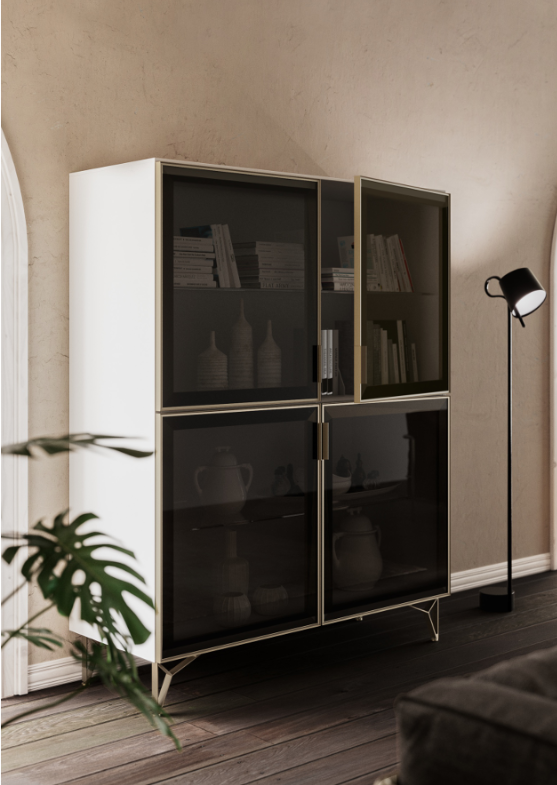
Openable Wardrobe Fittings
Explore precision hinges and framed glass-door systems for full interior access.
Explore range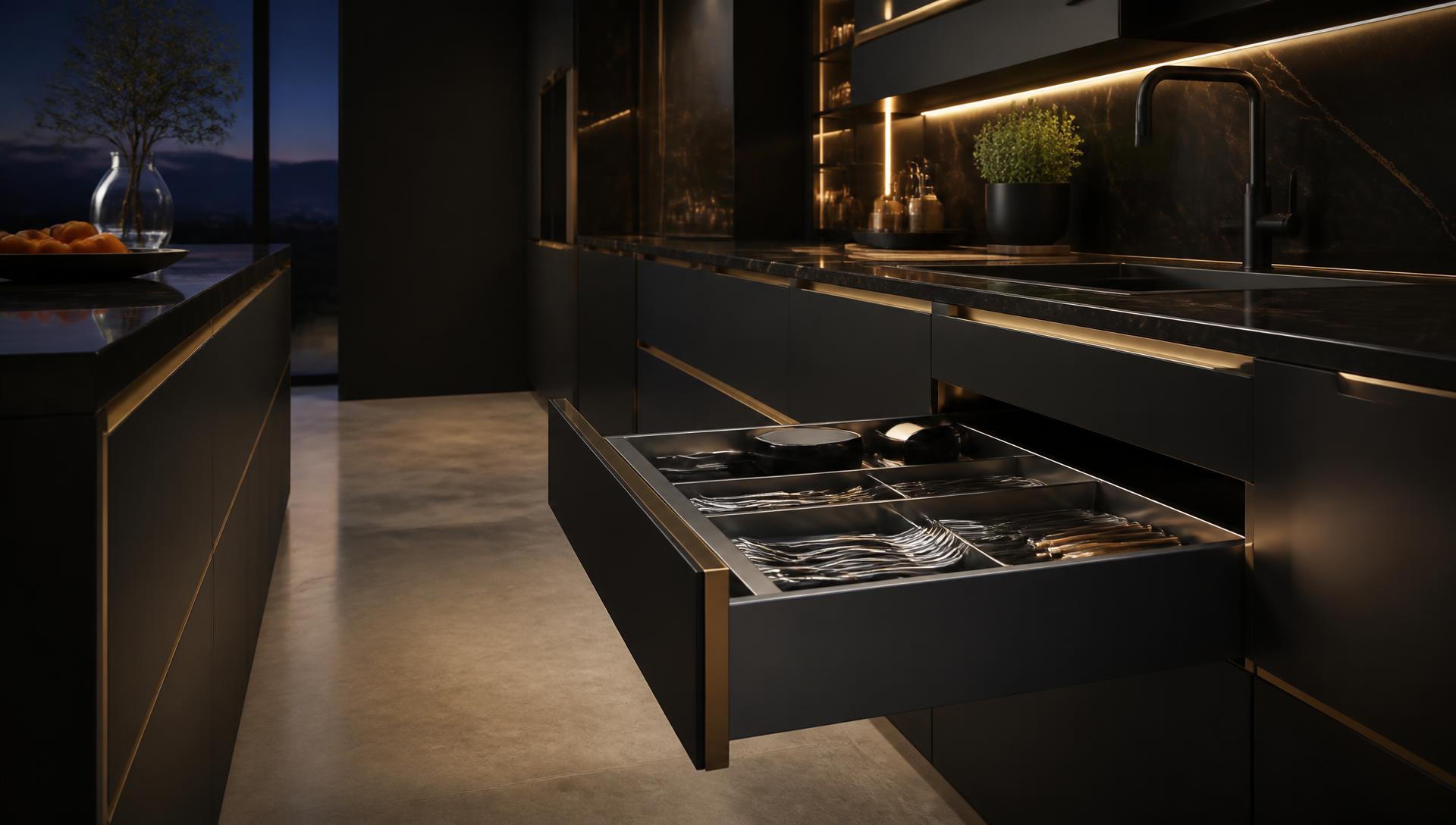
Kitchen Fittings
Browse the full kitchen hardware catalogue — pull-outs, drawers, waste bins and accessories.
Explore rangeWork with a supplier you can verify
Ready to specify hardware from a supplier you can verify?
Mirano by Varun Impex has supplied premium modular kitchen, wardrobe and bed hardware to architects, interior designers, OEM manufacturers and 300+ dealers across India since 2006.